
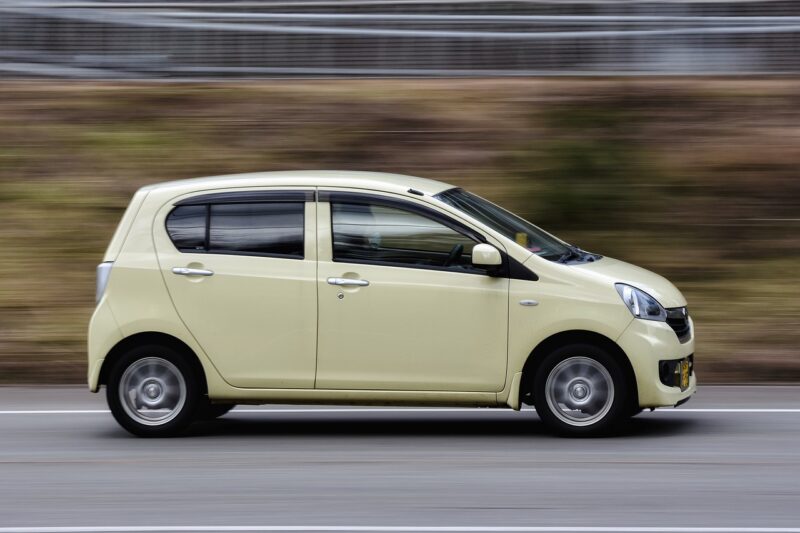
Navigating the bustling streets of a city can be a daunting task, particularly for new drivers. The quest for the ideal first car when living in an urban area boils down to a few essential factors: compact size, fuel efficiency, ease of parking, and reliability. As many cities move towards promoting sustainable transport, a compact car can also play a role in reducing your carbon footprint. In this guide, we’ll explore everything you need to consider when purchasing your first compact vehicle, ensuring you make an informed choice that suits your lifestyle.
1. Why Choose a Compact Car?
Compact cars are designed to effortlessly navigate tight city streets and small parking spaces, making them a favorable option for urban dwellers. Here are several compelling reasons to consider:
- Space Efficiency: Compact cars don’t take up much space, both on the road and in parking areas. This is especially advantageous in cities where parking can be a nightmare and space is at a premium.
- Fuel Efficiency: Typically, compact cars offer better fuel economy than larger vehicles. This means you will spend less on gas while enjoying longer drives between refuels, which is crucial given the unpredictable nature of urban traffic.
- Cost-Effective: Compact cars are generally more affordable to purchase, insure, and maintain than their larger counterparts. This is especially important for first-time buyers who are managing a tighter budget.
- Environmental Impact: With increasing environmental concerns, compact cars, especially hybrids or electric models, can help lower emissions and foster sustainability within urban environments.
These benefits make compact cars a perfect fit for the unique challenges of city driving.
2. Key Features to Consider
When it comes to choosing your first compact car, certain features should be prioritized:
- Size Matters: Look for a model that is small enough to fit into tight parking spots yet spacious enough to accommodate your needs. Check the interior space and trunk capacity to ensure it meets your requirements for daily errands and outings.
- Safety Ratings: Safety should always be a top priority. Consult platforms such as the National Highway Traffic Safety Administration (NHTSA) or Euro NCAP for ratings on different models. Features like airbags, anti-lock braking systems, and traction control are crucial in ensuring your safety on the road.
- Technology Features: Modern cars often come equipped with advanced technology, which can enhance your driving experience. Look for features like navigation systems, Bluetooth connectivity, and advanced driver-assistance systems for safer driving conditions.
- Fuel Efficiency: Given the rising cost of fuel, choose a car that offers excellent mileage. As a beginner driver, this will also save you money in the long run.
- Resale Value: While buying a new car is exciting, it’s important to consider the vehicle’s resale value. Compact cars typically hold their value better than larger vehicles, making it easier to sell or trade-in when you’re ready for something new.
By focusing on these essential features, you can narrow down your options to compact vehicles that fit your lifestyle and safety requirements.
3. New vs. Used Cars
Deciding between a new or used compact car is critical and can significantly impact your budget. Here’s a breakdown of the pros and cons of each:
- New Cars:
- Pros: New cars often come with warranties, the latest technology features, and better fuel efficiencies. You also have the advantage of choosing the exact specifications you want.
- Cons: New vehicles typically come with a higher price tag and depreciate immediately after purchase, leading to the potential for financial loss if you decide to sell soon.
- Used Cars:
- Pros: Used cars are generally more budget-friendly and do not depreciate as quickly as new cars. This can allow you to get more vehicle for your money. Plus, they often have lower insurance costs.
- Cons: Choosing a used car comes with the risk of hidden defects and higher maintenance costs. Be sure to have a trusted mechanic check the vehicle before finalizing the purchase.
Ultimately, whether you choose new or used will depend on your budget and personal preferences.
4. Researching Your Options
A wealth of information is available online, making it easier than ever to research various makes and models. Here’s how to effectively utilize these resources:
- Online Reviews and Comparisons: Websites like Edmunds and Car and Driver provide in-depth reviews of specific models, comparing performance, reliability, and customer satisfaction ratings. Reading first-hand accounts from other drivers can give you invaluable insights into your potential choices.
- Consumer Reports: This resource offers comprehensive ratings for new and used vehicles based on extensive testing and owner surveys, giving you access to crucial data about reliability and safety.
- Local Dealerships: Visit local dealerships not just to buy but also to gather information. Take test drives and engage with sales representatives to learn more about the specific vehicles you’re considering. Additionally, you can often negotiate deals for financing and trade-ins here.
Thoroughly researching helps you make a well-rounded decision about your first compact car.
5. The Buying Process: What to Expect
Once you have narrowed down your options, it’s time to start the buying process. Here are the essential steps:
- Financing Options: Determine whether you will be paying in cash, financing through a loan, or leasing. Explore potential loan options, including your credit score to secure a reasonable interest rate.
- Test Drive: Schedule test drives with your top choices. Driving the car will give you the best idea of whether it’s a right fit for you.
- Negotiation: Be prepared to negotiate on the price. Research the fair market value of the vehicle to ensure you’re not overpaying.
- Finalize Paperwork: Once the deal is settled, ensure that you receive all necessary documentation, including registration, title, and any warranty information. Read through everything carefully before signing.
- Vehicle Inspection: If buying a used car, consider having it inspected by a trusted mechanic to uncover any potential issues before completing the purchase.
Understanding the buying process will empower you to walk into a dealership confidently and make an informed decision.
Conclusion
Choosing the right compact car for city living requires thoughtful considerations of your needs, budget, and lifestyle. By focusing on key features, conducting thorough research, and understanding the buying process, you can confidently purchase a vehicle that suits your urban driving experience. Armed with this guide, you’ll be well on your way to finding the perfect first car that provides both convenience and satisfaction in navigating city streets. Take the plunge, embrace the adventure of owning a car, and enjoy the freedom that comes along with it!