The Mystery of Rapa Nui’s Abandoned Civilization on Easter Island

Oliver Sutton
November 15, 2024
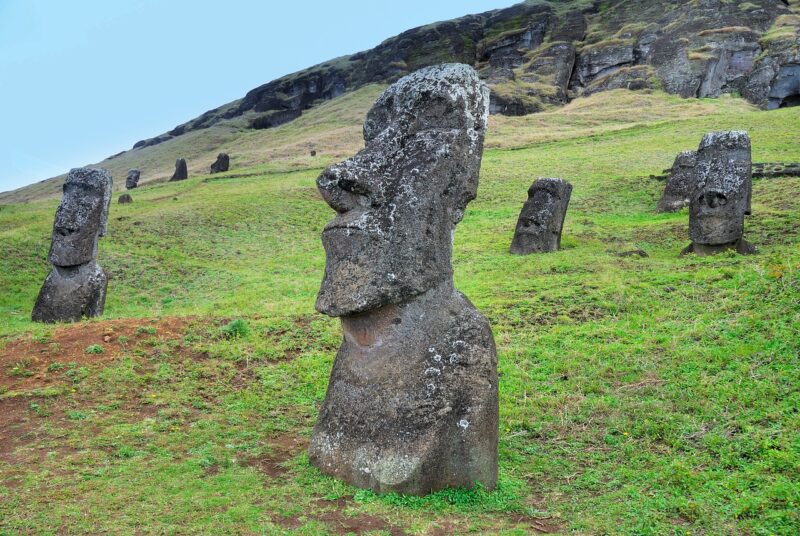
Easter Island, or Rapa Nui as it is known in the local language, is one of the most isolated inhabited islands in the world. Located in the southeastern Pacific Ocean, it belongs to Chile and is best known for its nearly 900 monumental statues, known as moai, which represent the spirit of ancestors and are a testament to the ingenuity of the Rapa Nui people. However, despite the island’s enigmatic allure, a chilling mystery persists: what led to the decline and abandonment of this once-thriving civilization?
1. The Geography of Isolation
Easter Island’s geographic isolation has significantly shaped its history. Situated over 2,000 miles from mainland Chile, the island covers only 63 square miles and is volcanic in origin, featuring rugged terrain and limited natural resources. Early Polynesian navigators discovered the island, bringing with them their culture, language, and agricultural practices. Over the years, the Rapa Nui people developed a complex society that thrived on fishing, farming, and the monumental creation of moai.
2. The Rise of the Moai Culture
The Rapa Nui are perhaps best known for their moai, which were carved from volcanic tuff and believed to embody the spirits of ancestors. These statues served as powerful symbols of authority and the clan’s connection to their forebears. Spanning heights of up to 33 feet and weighing over 80 tons each, the construction of these statues required immense labor and community coordination.
The moai were usually erected on stone platforms called ahu, which also served as tombs for the individuals they depicted. The construction and transportation of the moai fostered a rich cultural and spiritual life on the island. As the society expanded, so did their ambition to create increasingly grand statues, reflecting their social hierarchy and the desire to connect with their ancestry.
However, this ambitious endeavor had devastating consequences for the environment. The deforestation of the island became rampant as trees were cut down for various purposes, including transport of moai, construction of canoes, and agricultural expansion. The loss of trees led to soil erosion, depletion of resources, and ultimately contributed to a severe ecological crisis.
3. The Role of Climate Change and Environmental Stressors
As the Rapa Nui civilization progressed, they faced not only the impact of their environmental degradation but also climate change. Historical records and dendrochronology (the study of tree rings) suggest that the island experienced periods of drought that would have severely limited agricultural production. The inability to maintain sustainable practices amid changing climatic conditions forced the Rapa Nui into competition over the dwindling resources.
Studies indicate that the decline in crop yields led to social strife, warfare, and a breakdown of the once-cohesive societal structure. Disputes over land and resources escalated, and the transition from social cooperation to conflict was evident. This civil unrest weakened the community’s capability to maintain the construction and preservation of the iconic moai.
4. The Impact of European Contact
The arrival of European explorers in the 18th century introduced new pressures on the already fragile societal structure. Dutch explorer Jacob Roggeveen landed on the island in 1722, marking the first recorded European contact. The influx of visitors brought diseases to which the Rapa Nui had no immunity, resulting in significant population declines.
Furthermore, subsequent inquiries often led to the abduction of Rapa Nui people for slavery, further decimating the population. The effects of colonization divided the society and left them vulnerable. As the traditional ways of life collapsed, the culture’s connection to their ancestors and their monumental practices faded.
5. The Decline and Abandonment of Rapa Nui
By the late 19th and early 20th centuries, it is believed that the Rapa Nui civilization was nearing a complete societal collapse. With a drastically reduced population and a disintegration of their cultural practices, the island’s landscape changed dramatically; the once-proud moai were toppled, and traditions were lost.
The abandonment of moai construction marked the end of an era, leading to a period known as the “Great Collapse.” Today, many of the moai lie in various states of decay, providing silent testimony to the once-flourishing civilization that inhabited the island. As the Rapa Nui struggle to reclaim their heritage, they also confront the consequences of their ancestors’ legacy — a cautionary tale of unsustainable practices.
6. Conclusion: Lessons from Rapa Nui
The story of Rapa Nui serves as an important reminder of the balance between human ambition and environmental stewardship. The rise and fall of Easter Island’s civilization expose the risks that accompany deforestation, resource depletion, and societal conflicts exacerbated by climate change.
As we confront our own environmental challenges today, Rapa Nui’s plight urges a collective responsibility to ensure that history does not repeat itself. Learning from past mistakes can guide us towards sustainable living practices that honor both our heritage and the future of our planet.
Easter Island remains a source of intrigue and education, emphasizing the resilience of cultures and the possibilities for renewal. While the moai may stand silent now, their presence continues to invite reflection about our connection to our environment and each other.