Art has always been a reflection of society, absorbing the emotions and issues of its time. In the 21st century, modern art has taken on new dimensions, with political messages emerging as a vital facet of expression. From the muralists of Mexico to the provocateurs of contemporary installations, artists harness their creativity to comment on pressing social issues, influence public opinion, and initiate dialogues around politics. This article explores the multifaceted relationship between politics and modern art, showcasing how different mediums convey powerful messages while resonating with the public.
1. The Historical Context of Political Art
Political art is not a novel concept; its roots can be traced back through history. The role of artists as commentators on societal issues has evolved dramatically over centuries. In the past, art served as a tool for propaganda. Paintings in the Renaissance era depicted religious themes, often used to communicate the power of the Church. During times of war, artists like Francisco Goya illustrated the horrors of conflict in works like “The Third of May 1808.”
Modern art has taken this further by transforming political expression into intricate, multi-layered dialogues. Movements such as Dadaism arose as critiques against World War I and its absurdities, paving the way for later artists to use their platforms for social commentary.
2. Major Political Themes in Modern Art
Several recurring themes have surfaced in modern political art. These include:
- Social Justice: Many artists use their work to highlight issues of inequality, racism, and discrimination. The Black Lives Matter movement has inspired numerous pieces, emphasizing the urgency for change and justice within society.
- Environmentalism: Climate change and environmental degradation are critical issues that artists confront. Works by Olafur Eliasson, such as “The Weather Project,” engage audiences in discussions about humanity’s relationship with nature and the looming catastrophe of climate change.
- War and Peace: Artists like Ai Weiwei express the trauma and impact of war through art, urging viewers to confront the harsh realities faced by those in conflict zones. His installations often serve as memorials to those affected, challenging the viewer’s perception of conflict and displacement.
- Identity and Gender Politics: Modern art frequently explores themes of identity—gender, race, sexual orientation—inviting conversation around issues of representation and inclusivity. Artists such as Judy Chicago use their work to advocate for feminism and gender equality, encouraging dialogue on female experiences in society.
These themes are often interwoven, reflecting the complexity of the present-day political landscape.
3. Notable Modern Artists with Political Messages
Several contemporary artists have captured worldwide attention for their politically charged works. Let’s delve into a few notable names:
- Banksy: This enigmatic street artist uses sharp wit and satire to address political issues, ranging from war and capitalism to the refugee crisis. His artwork, such as the famous “Girl with a Balloon” or the poignant “Dismaland,” often engages the public in dialogues that challenge the status quo.
- Kara Walker: Walker’s cut-paper silhouettes and installations tackle themes of race, gender, and power dynamics in America’s history. Works like “A Subtlety” provoke discomfort while forcing historical narratives into contemporary conversation.
- The Guerrilla Girls: This feminist art collective raises awareness about the underrepresentation of women and artists of color in the art world. Through their provocative posters and public appearances, they address inequalities while advocating for systemic change.
- Yayoi Kusama: Although her work may not explicitly scream political messages, Kusama’s exploration of mental health and personal struggles reflects broader societal issues, advocating for empathy and understanding underpinned by personal transformation and healing.
These artists not only create captivating visuals; they spark vital discussions that hold sway over public consciousness.
4. The Impact of Digital Media and Social Networks
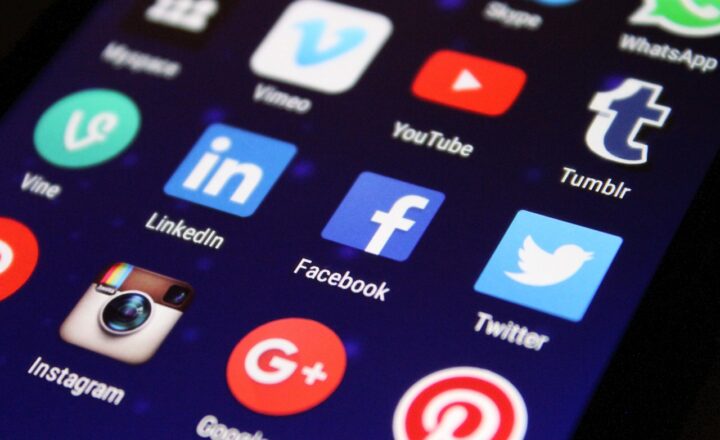
In the digital age, social media platforms have become amplifiers for political messages in art. Artists utilize Instagram, Twitter, and TikTok to showcase their work, bypassing traditional gallery systems and engaging directly with audiences. This accessibility enables rapid dissemination of messages and mobilization for political causes.
For example, hashtags such as #ArtForChange or #InThisTogether have driven collective movements, with artists collaborating globally for social justice initiatives, climate action, or human rights awareness. Digital installations and virtual exhibitions, particularly during the pandemic, opened new opportunities for creators to display political messages in innovative ways.
5. Art as a Tool for Activism
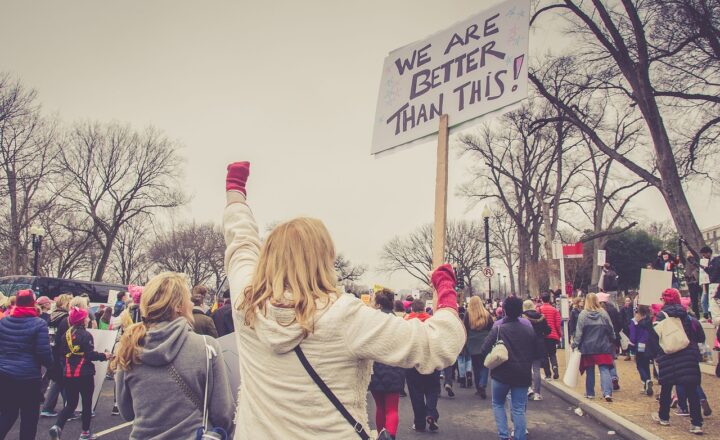
Art serves as both a mirror and a catalyst for change. Artist-led initiatives are transforming art into a platform for activism. Community-based projects, installations, and performance art are used to engage audiences actively in political discourse, demanding action and awareness.
For example, projects that curate public spaces with murals or accessible installations invite community participation, allowing those groups to voice their stories and challenges. Initiatives like “The Artist Protest” encourage artists to stand against political oppression through group exhibitions, performances, and mass gatherings.
Artists are reimagining art’s purpose; moving from mere aesthetics to a rigorous examination of its role within society, often with profound implications.
6. The Future of Political Art
As the global political landscape continues to evolve, so will the role of political messages in art. Artists will adapt their mediums, from emerging technologies like augmented reality to immersive performances, exploring new dimensions of activism and expression.
Contemporary art will increasingly serve as a platform for pressing concerns, responding to systemic issues and the challenges faced by marginalized voices. As artists gather to share their experiences and collaborate over digital platforms, we may witness a surge in grassroots movements that redefine relationships between art, activism, and community.
With an evolving dialogue surrounding identity, inclusivity, and justice, the future of political art seems compelling—an intricate tapestry woven from diverse voices striving for change.
Conclusion
In conclusion, modern art plays an indispensable role in shaping and communicating political messages. Through various themes and mediums, artists express social concerns while engaging the public in meaningful dialogues around pressing issues. By harnessing their craft as a foundation for activism, contemporary artists continue to fuel conversations that can lead to critical awareness and change.
Ultimately, the power of art lies in its capacity to inspire, provoke thought, and challenge perceptions while serving as a catalyst for social transformation in an ever-changing political landscape.