The Mob’s Influence on Hollywood’s Golden Age of Film

Lily Harper
November 15, 2024
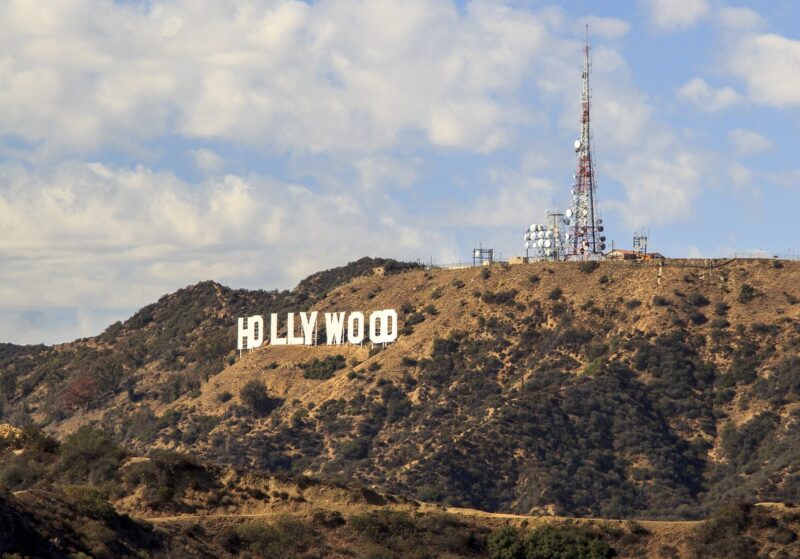
The Golden Age of Hollywood, ranging approximately from the late 1920s to the early 1960s, was a period characterized by an explosion of creativity, the rise of major studios, and the creation of some of the most iconic films in cinematic history. However, behind the glitz and glamour, a darker force lurked—organized crime. The influence of the mob on Hollywood during this era was profound and multifaceted, affecting everything from the production of films to the operation of theaters.
1. The Mafia’s Entry into Hollywood
The connections between the American Mafia and Hollywood can be traced back to the 1920s during the Prohibition era. Many Hollywood studios were built on the backs of mob money, as organized crime figures sought legitimate avenues for their gains. Notably, figures like Benjamin “Bugsy” Siegel and Meyer Lansky viewed Hollywood as a money-making opportunity. They invested in hotels, casinos, and even directly in films, gaining extensive control over various industries.
For instance, Bugsy Siegel was instrumental in the development of the Flamingo Hotel in Las Vegas, targeting the emerging gambling scene and using the profits to fund his ventures in Hollywood. Their investments into new film studios not only provided lucrative returns but also enabled illegal activities, including extortion and money laundering, to flourish in the shadows of the film industry.
2. Control Over Film Production
The Mafia’s reach extended deep into Hollywood’s production processes. With their financial backing, they were able to exert influence over studio operations and artistic decisions. Mobsters often worked behind the scenes, ensuring that films depicted a favorable image of organized crime or avoided narratives that could expose their activities.
This manipulation can be seen in the creation of classic gangster films. While directors like Francis Ford Coppola and Martin Scorsese produced celebrated films like “The Godfather” and “Goodfellas,” these narratives were often colored by the mob’s influence. Moreover, mobsters would pressure producers to cast certain actors or provide funding for specific projects to maintain a favorable portrayal of their organizations.
3. Threats, Intimidation, and the Production Code
The threat of violence was a constant backdrop for many in Hollywood during the Golden Age. There are countless tales of directors, producers, and even actors facing intimidation tactics if they refused to comply with mob demands. The notorious practice of using threats to ensure loyalty and collaboration was rampant.
This also played a significant role in shaping the Production Code of 1930, which regulated the content of films. Many mob-affiliated industry insiders wanted to sanitize depictions of crime to protect their interests. The desire to depict organized crime in a more glamorous light is evidenced by films like “Scarface,” which, despite its violent themes, glamorized the criminal lifestyle. In many cases, real-life mobsters would provide input on scripts and scenes to showcase their version of ‘honor’ and ‘loyalty’ while associating their image with Hollywood’s glitz.
4. The Influence on Distribution and Exhibitions
The mob’s influence extended beyond production to the distribution and exhibition of films. Theaters were often controlled by organized crime, which allowed them to dictate which films were shown and when. This control ensured that films with mob connections or mob-approved content were prioritized, thereby increasing their profitability.
Moreover, paying off major theaters was common to ensure the success of certain films, while threatening independent cinemas enabled mobsters to maintain a monopoly on the movie-watching experience. The mob’s hands-on approach played a crucial role in shaping the film landscape, providing an avenue for wider audiences to consume mob-centric narratives.
5. Iconic Films and Mob Narratives
Some of the most iconic films produced during this time period were profoundly influenced by organized crime. Films like “The Godfather” (1972) and “Scarface” (1932) not only depicted the glamour and peril of mob life but were also backed and sometimes funded by individuals with known ties to organized crime. More than mere entertainment, these films acted as dual promotional tools for the mob’s image.
For instance, “The Godfather,” based on Mario Puzo’s novel, became a monumental cultural phenomenon, romanticizing the Mafia lifestyle, which can be attributed partly to the mob’s involvement in the film’s production. The portrayal of the Corleone family encapsulated the dichotomy of crime family solidarity and the harsh realities of mob life, aligning closely with the sentiments held by many involved in organized crime.
6. The Decline of Mob Influence in Hollywood
As the entertainment industry evolved and the FBI began cracking down on organized crime in the 1970s, the Mafia’s influence began to wane. High-profile prosecutions and the emergence of alternative financing methods weakened their grip on the Hollywood scene.
Today, organized crime no longer holds the sway it once did in Hollywood. However, the legacy of that era continues through the stories told in film and the romanticized portrayals of mobsters that still resonate with audiences worldwide. The intersection of mob life and Hollywood remains a fascinating chapter in the history of American cinema, reminding us of the complex relationships that exist between art and organized crime.
Conclusion
The influence of the mob on Hollywood during its Golden Age is a complex interplay of crime and creative expression. The legacy of that period carries on not only in iconic films that continue to shape popular culture but also in the understanding of how organized crime affected the very fabric of American film history. The organized crime connection is a reminder that behind the magic of Hollywood lies a history filled with ambition, crime, and compromise, forever altering the landscape of the film industry.