How Highways and Infrastructure Impact River Flow and Wildlife

Ryan Pierce
November 15, 2024
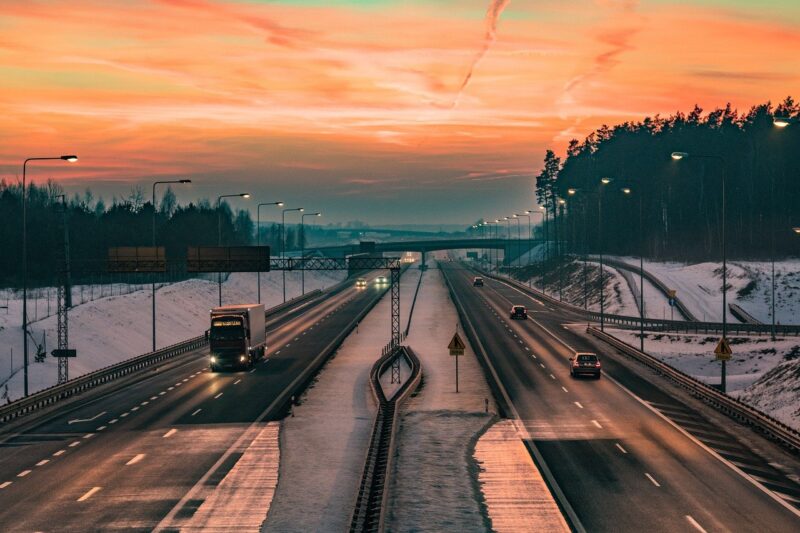
Highways and infrastructure play a pivotal role in shaping the landscapes we inhabit. While they serve essential functions in connecting communities and facilitating economic growth, their impact on the natural environment is often profound, particularly concerning river flow and wildlife habitats. In this article, we delve into the various ways that highways and other forms of infrastructure influence river systems and the ecosystems that depend on them.
1. Understanding the Interaction Between Highways and River Systems
When highways are constructed, they often cut through ecosystems and can dramatically alter the flow of rivers. The placement of roads and bridges can create barriers that change natural water courses or create runoff that leads to increased sediment in rivers, forcing aquatic habitats to evolve or, in some cases, disappear altogether.
Additionally, the physical presence of a highway can redirect water flow, causing potential flooding or drought conditions in surrounding areas. This impact can disrupt the delicate balance within which aquatic and semi-aquatic species operate.
2. The Impact of Stormwater Runoff
Highways are made of surfaces such as asphalt and concrete, materials that do not absorb water. During rainfall, this leads to increased stormwater runoff, which carries pollutants, sediments, and nutrients directly into nearby rivers and streams. Here are some key consequences of stormwater runoff:
- Pollution: Heavy metals, oil, and toxic substances wash off from vehicle traffic and enter waterways, affecting water quality.
- Eutrophication: Nutrient-rich runoff can lead to algal blooms, which deplete oxygen levels in water, suffocating aquatic life.
- Increased Sedimentation: Sediment from runoff can smother habitats critical for species like fish and amphibians.
The consequences are detrimental not only to river ecosystems but also to the species that rely on these habitats.
3. Fragmentation of Wildlife Habitats
The construction of highways leads to habitat fragmentation, which can isolate animal populations and inhibit their movement between critical areas needed for feeding, breeding, and migration. Wildlife faces numerous challenges due to fragmentation:
- Reduced Genetic Diversity: Isolated populations may experience inbreeding, reducing their genetic health.
- Increased Mortality Rates: Animals attempting to cross highways are at a higher risk of being hit by vehicles.
- Disrupted Migration Patterns: Migratory species may be unable to reach breeding or feeding grounds essential for their lifecycle.
This fragmentation leads to a decline in wildlife populations, ultimately affecting ecosystem health and stability.
4. Mitigation Strategies
To address the adverse impacts of highways on river systems and wildlife, several mitigation strategies can be employed:
- Wildlife Corridors: Designing corridors that allow wildlife to safely cross highways can mitigate habitat fragmentation. These can include overpasses or underpasses specifically designed for wildlife movement.
- Stormwater Management Solutions: Implementing green infrastructure solutions such as permeable pavements, rain gardens, and bioswales can help reduce stormwater runoff and improve water quality.
- Buffers and Landscaping: Establishing buffer zones around waterways and enhancing vegetation can help filter runoff before it reaches rivers.
By incorporating these strategies during planning and construction, the detrimental impacts of highways can be minimized, allowing for healthier ecosystems.
5. Case Studies: Success Stories of Infrastructure and Wildlife Conservation
Several successful case studies highlight how thoughtful infrastructure planning can coexist with wildlife conservation:
- Banff National Park: In Canada, an overpass designed for wildlife has significantly reduced the number of animal-vehicle collisions, allowing fauna such as elk and bears to cross the Trans-Canada Highway safely.
- The Netherlands: The country has implemented numerous green bridges and tunnels for wildlife, which have proven effective in reconnecting fragmented habitats.
- Florida’s Ecosystem Restoration: Efforts to restore the Everglades and surrounding infrastructure have shown that investing in natural solutions can boost local biodiversity.
These examples illustrate that with intentional design and implementation, infrastructure and wildlife can coexist and thrive.
Conclusion
Highways and infrastructure significantly impact river flow and wildlife habitats, leading to pressing environmental challenges. As we continue to develop our infrastructure, it is imperative to consider these impacts. Employing mitigation strategies and learning from successful case studies can lead to harmonious coexistence between human needs and ecological preservation. By prioritizing sustainable practices in future developments, we can ensure that our highways serve not just as pathways for people, but also as corridors for wildlife and maintain the integrity of our river systems. Through thoughtful planning, we can protect the delicate ecosystems that sustain both wildlife and human life, fostering a future where nature and human development can thrive together.