The Importance of Cultural Sensitivity: How to Respectfully Travel Abroad

Lucas Bennett
November 2, 2024
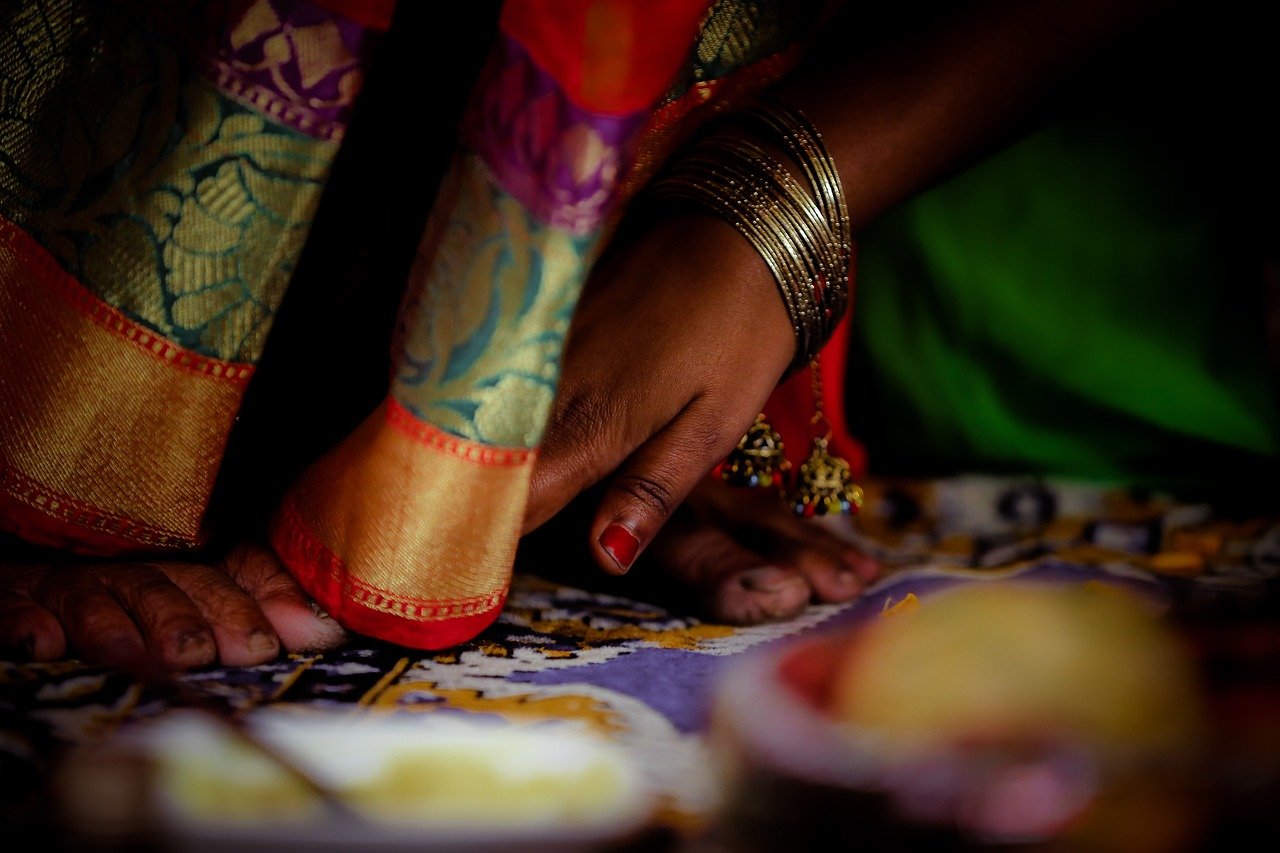
Traveling abroad opens doors to new cultures, experiences, and ways of life. However, as visitors to foreign lands, it’s essential to practice cultural sensitivity – an understanding and respect for other customs, traditions, and social norms. This guide explores the importance of cultural sensitivity and provides practical tips on how to be a respectful and responsible traveler.
1. Understand the Basics of Cultural Sensitivity
Cultural sensitivity is the awareness that people from different backgrounds and cultures may have distinct values, beliefs, and practices. It’s about respecting these differences and adapting our behavior to avoid offending locals.
Why It Matters:
- Cultural sensitivity helps create positive interactions with locals.
- It enhances your travel experience by fostering authentic connections.
- It promotes a respectful global perspective, reducing misunderstandings and conflicts.
2. Research Local Customs and Traditions
Each culture has unique customs, and taking the time to learn about them can prevent accidental disrespect. For instance, some cultures consider it rude to tip, while others might find it impolite not to.
Examples of Common Customs:
- Hand Gestures: Gestures like the thumbs-up can mean different things in various countries.
- Dress Codes: In many places, modest clothing is a sign of respect, especially in religious sites.
- Table Manners: Dining etiquette can vary significantly. Research whether it’s polite to leave food on your plate or if eating with hands is common.
Tip: Spend time reading travel blogs or guidebooks and consider watching videos to get insights into the customs of the country you’re visiting.
3. Learn Basic Language Phrases
Learning a few key phrases in the local language shows respect and interest in the culture. Simple phrases like “hello,” “thank you,” and “excuse me” can go a long way in building goodwill with locals.
Essential Phrases to Learn:
- Greetings: “Hello,” “Good morning,” “Good evening”
- Politeness: “Thank you,” “Please,” “Excuse me”
- Asking for Help: “Where is…?” or “Can you help me?”
Why It Works: Even if you don’t speak the language fluently, making an effort demonstrates respect for the local culture and people.
4. Respect Religious Practices
Religion plays a significant role in many cultures, and observing local religious practices respectfully is crucial. Be aware of religious sites, dress codes, and practices like prayer times.
Religious Sensitivity Tips:
- Wear appropriate clothing when visiting temples, churches, or mosques.
- Respect religious ceremonies and avoid taking photos without permission.
- Be mindful of specific customs, such as removing shoes or covering your head.
Why It Matters: Respecting religious practices fosters goodwill and shows that you value the cultural significance of these practices.
5. Practice Responsible Photography
Taking photos is a big part of travel, but it’s essential to be mindful when photographing people or religious sites. In some cultures, taking photos without permission is considered disrespectful or intrusive.
Guidelines for Responsible Photography:
- Ask for permission before photographing locals, especially in rural or religious settings.
- Respect signs that prohibit photography, especially in religious or sacred areas.
- Be aware that some communities or individuals may feel uncomfortable being photographed.
Tip: If in doubt, ask politely before taking a picture, and be gracious if someone declines.
6. Be Mindful of Body Language
Body language can vary widely across cultures. Some gestures or expressions that are harmless in one culture can be offensive in another. Being mindful of your body language helps you avoid misunderstandings and show respect.
Examples of Body Language Differences:
- Avoid pointing with your finger, as it can be seen as rude in some cultures.
- Eye contact may be respectful in some places but disrespectful in others.
- Physical contact like hugging or handshakes might not be appropriate in certain cultures.
Tip: Observe how locals interact and mirror their behavior to avoid unintended offense.
7. Support Local Businesses and Respect the Environment
Being a respectful traveler also means supporting the local economy and respecting the environment. Purchase from local vendors, avoid littering, and follow eco-friendly practices whenever possible.
How to Be a Responsible Traveler:
- Buy souvenirs and meals from local markets and small businesses.
- Use eco-friendly products and avoid single-use plastics.
- Respect nature by not disturbing wildlife and staying on marked paths.
Why It Matters: Supporting local businesses benefits the community and promotes sustainable tourism practices.
8. Avoid Assumptions and Stereotypes
Cultural sensitivity means avoiding assumptions based on stereotypes or generalizations. Each person is unique, and while cultural patterns exist, it’s essential not to make assumptions about individuals.
Tips for Avoiding Stereotypes:
- Be open-minded and willing to learn from locals.
- Avoid making judgments based on limited knowledge or preconceived ideas.
- Embrace differences and learn from diverse perspectives.
Tip: Engage in conversations to gain a deeper understanding of the local culture rather than relying on stereotypes.
Conclusion
Traveling with cultural sensitivity enriches your experience and builds bridges with people from different backgrounds. By understanding and respecting local customs, practicing mindfulness, and approaching others with an open mind, you can create positive interactions and make lasting memories. Remember, travel is about exploration, learning, and embracing diversity, and cultural sensitivity is at the heart of respectful travel.
Practice these tips on your next journey, and you’ll be well on your way to becoming a responsible, culturally aware traveler.