The Pros and Cons of Tiny Home Living: Is It Right for You?

James Holloway
November 2, 2024
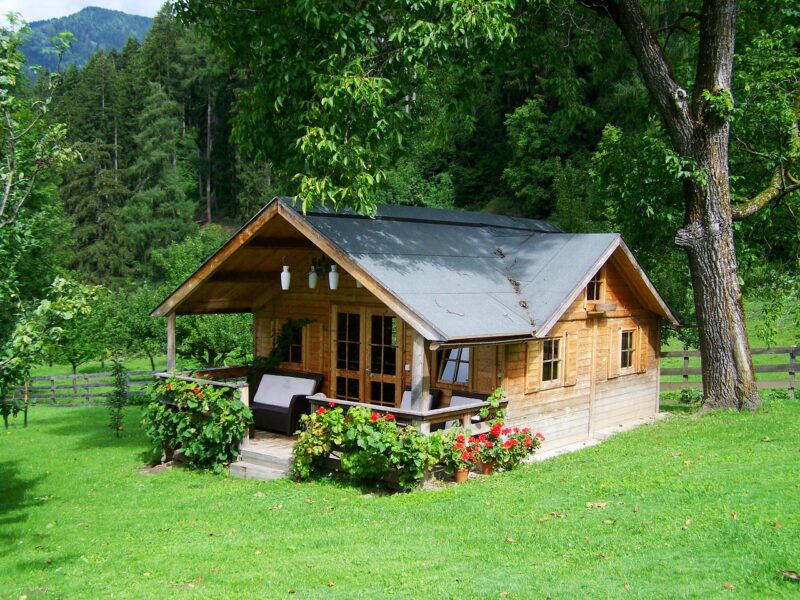
In recent years, tiny home living has gained significant popularity as a lifestyle choice, appealing to those seeking simplicity, financial freedom, and minimal environmental impact. However, while tiny homes come with a range of benefits, they also pose unique challenges that might not suit everyone. In this article, we’ll dive into the pros and cons of tiny home living to help you decide if it’s the right choice for you.
1. What is Tiny Home Living?
Tiny home living involves residing in compact, usually mobile, homes that are typically between 100 to 400 square feet. These homes are designed to maximize space and functionality, with creative storage solutions and efficient layouts. While the idea of tiny living often evokes images of rustic cabins or modern minimalist dwellings, tiny homes come in a variety of styles and are customizable to fit individual needs.
2. The Pros of Tiny Home Living
Choosing to live in a tiny home offers several appealing benefits, including:
- Financial Freedom: Tiny homes generally cost significantly less than traditional homes. Lower mortgage payments or the ability to pay outright can lead to financial freedom.
- Eco-Friendly Lifestyle: Tiny homes require fewer resources to build and maintain, reducing your carbon footprint. Many tiny home owners opt for sustainable materials and renewable energy sources.
- Minimal Maintenance: With a smaller space, there’s less to clean and maintain, allowing for more time to pursue other activities and hobbies.
- Increased Mobility: Many tiny homes are built on wheels, providing the flexibility to move to new locations without the hassle of traditional relocation.
- Simplified Living: Living in a small space encourages a minimalist lifestyle, which can lead to less stress and a stronger focus on experiences over possessions.
These benefits have drawn many to the tiny home movement, particularly those looking to downsize and live more intentionally.
3. The Cons of Tiny Home Living
While tiny home living has many advantages, there are also downsides that should be considered:
- Limited Space: Tiny homes offer very limited space, which can feel cramped, especially if multiple people live together.
- Lack of Storage: With minimal storage options, it may be challenging to keep everything organized and may require constant decluttering.
- Legal and Zoning Challenges: Many areas have zoning restrictions that can complicate parking or building tiny homes, making it essential to research regulations before committing.
- Reduced Privacy: With small spaces and often open layouts, it can be hard to find privacy, especially for couples or families.
- Temperature and Weather Concerns: Tiny homes may lack proper insulation, making it challenging to maintain comfortable temperatures in extreme weather.
Understanding these limitations is crucial for determining if tiny home living aligns with your lifestyle and preferences.
4. Financial Considerations for Tiny Home Living
One of the biggest appeals of tiny homes is affordability. However, there are financial aspects to consider beyond the initial cost:
- Financing Options: Tiny homes may not qualify for traditional mortgages, so financing options may be limited to personal loans or alternative lenders.
- Insurance: Insuring a tiny home can be complex, especially for mobile tiny homes, so finding affordable and suitable coverage may take time.
- Utility Costs: Tiny homes have lower utility costs due to smaller square footage, but off-grid options such as solar power may require an initial investment.
Considering these financial elements can help you budget effectively and avoid surprises after transitioning to a tiny home.
5. Tiny Home Living and Relationships
Living in a tiny home can impact personal relationships, as shared spaces require cooperation and clear communication:
- Open Communication: For couples, open communication and respect for each other’s space are essential to maintain harmony.
- Adaptability: Adjusting to a tiny space requires flexibility and a willingness to compromise, especially for families or couples.
- Setting Boundaries: In small spaces, setting boundaries for work, hobbies, or quiet time is crucial to avoid tension.
Navigating these dynamics can enhance your relationships and make tiny living a more positive experience.
6. The Environmental Impact of Tiny Home Living
Tiny homes are often seen as an eco-friendly housing option due to their reduced resource use. Key environmental benefits include:
- Lower Energy Consumption: Tiny homes require less energy to heat, cool, and maintain, reducing the environmental impact.
- Reduced Waste: Tiny living encourages minimalism, which can lead to less waste and a focus on sustainable living.
- Option for Sustainable Materials: Many tiny home owners choose eco-friendly materials, such as reclaimed wood or solar panels.
For environmentally conscious individuals, tiny homes offer a way to reduce their ecological footprint and live more sustainably.
7. Is Tiny Home Living Right for You?
Before deciding on tiny home living, consider the following questions:
- Do you value a minimalist lifestyle and are willing to downsize belongings?
- Are you comfortable with limited space and close proximity to others?
- Can you adapt to the legal and zoning challenges in your desired location?
- Do you prioritize environmental sustainability in your lifestyle choices?
Reflecting on these questions can help you determine whether tiny home living aligns with your goals, values, and lifestyle preferences.
Conclusion
Tiny home living offers a unique way to embrace minimalism, financial freedom, and eco-conscious living. While the lifestyle can present challenges, such as limited space and zoning regulations, it also provides opportunities for personal growth, simplified living, and environmental sustainability. If you’re willing to embrace these aspects, tiny home living may be the perfect fit for you. Take the time to weigh the pros and cons to ensure it’s the right choice for your needs and aspirations.