A Look Back at the Concorde: Why the Supersonic Jet Vanished from the Skies

Olivia Barrett
November 14, 2024
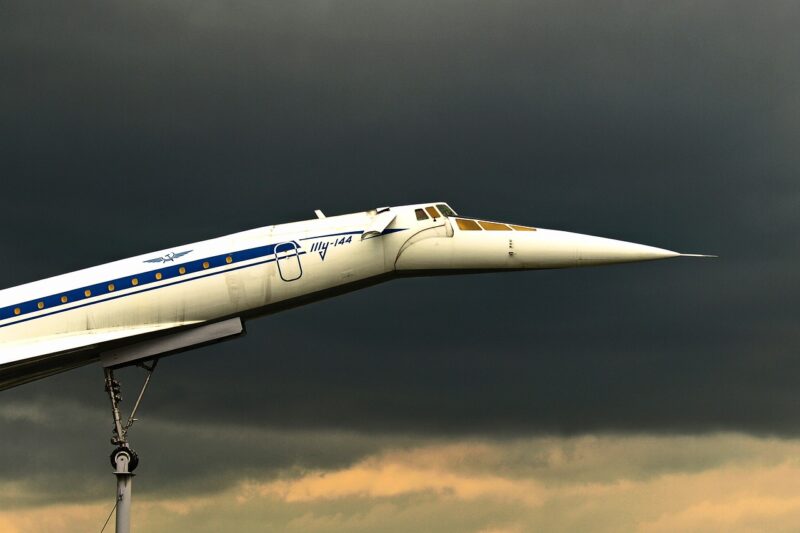
The Concorde, a name synonymous with speed, elegance, and the marvels of engineering, soared through the skies like no other commercial aircraft. With the ability to cruise at over twice the speed of sound, the Concorde was the pinnacle of luxury air travel, connecting bustling cities in mere hours. Yet, despite its advanced technology and glamorous allure, the Concorde ultimately vanished from the skies. This article seeks to explore the life of the Concorde, the factors leading to its retirements, and its enduring legacy.
1. The Genesis of the Concorde
The Concorde was born out of a collaborative effort between British and French aerospace industries, spearheaded by British Aircraft Corporation and Sud Aviation. Initiated in the 1960s, the project was driven by a desire to outdo traditional subsonic air travel, creating a new frontier in aviation.
The Concorde’s first flight took place on March 2, 1969, with its first commercial service commencing in 1976. The aircraft, with its sleek lines and needle-like nose, became a symbol of modernity. It reduced flying time across the Atlantic, transforming the travel landscape. Cities like New York and London could be connected in just over three hours.
Not only was the Concorde a triumph of speed, but it also offered passengers an experience of unrivaled luxury, with spacious cabins, unparalleled service, and exquisite cuisine. The allure of the Concorde captivated celebrities and business magnates alike, turning flights into an occasion rather than just a means of transport.
2. The Technical Marvel of Supersonic Flight
The Concorde wasn’t just remarkable for its speed; it was an engineering masterpiece. Capable of exceeding Mach 2 (over 1,354 miles per hour), the aircraft was designed with advanced aerodynamic features, including the iconic drooping nose that allowed for superior visibility during take-offs and landings.
It was powered by four Rolls-Royce/Snecma Olympus 593 engines, which provided thrust superior to any commercial jet. However, this incredible technology came with its own challenges. The aircraft’s operating costs were exorbitantly high, with each flight burning approximately 26,000 liters of fuel. It also produced a sonic boom, which limited its flight paths to primarily over oceans, ruling out direct routes over populated land.
The aircraft’s capacity was limited, typically seating around 100 passengers, making it less economically viable compared to traditional jets that could carry multiple hundreds of passengers at lower costs.
3. Factors Leading to the Decline of the Concorde
Despite its early success, several factors contributed to the decline of the Concorde:
- High Operating Costs: With rising fuel prices and maintenance costs, the Concorde required a significant financial commitment from airlines. At the height of their operations, ticket prices were prohibitively expensive for most travelers.
- Limited Market: The target market for the Concorde was primarily business travelers and affluent individuals. The global market for supersonic travel was much smaller than anticipated, leading to inadequate demand for sustained operations.
- Safety Concerns: The tragic crash of Air France Flight 4590 in July 2000, which resulted in the loss of 113 lives, severely dented public confidence in the Concorde’s safety. This incident caused not only a direct halt to all Concorde flights but also a long-term impact on perceptions of supersonic travel.
- Regulatory Challenges: As environmental concerns grew, the Concorde faced increasing scrutiny due to its emissions and noise pollution. Regulatory bodies in various countries began imposing restrictions that made operations challenging.
- Competition from Subsonic Jets: Over time, the introduction of more efficient subsonic jets, along with improved service and amenities, began to erode the Concorde’s unique selling proposition.
Together, these factors made the continued operation of the Concorde increasingly untenable. After the crash, it took Air France and British Airways a couple of years to return the Concorde to service, but by 2003, both airlines announced the retirement of the Concorde. Its last flights took place, marking the end of an era.
4. The Legacy of the Concorde
The Concorde, despite its retirement, left an indelible mark on aviation history. It changed how the world viewed air travel and pushed the boundaries of engineering and luxury. Its legacy extends beyond mere transportation; it represented the ambition of human innovation.
Many aviation enthusiasts, engineers, and airlines continue to dream of a return to supersonic travel. With recent advancements in technology, efforts are underway to develop new supersonic jets that address the Concorde’s shortcomings, particularly around fuel efficiency and noise.
Moreover, the Concorde inspired a generation of aviation pioneers and continues to capture the imagination of those passionate about flight. Its allure remains strong in popular culture, serving as a symbol of what air travel once was and what it could be again.
Conclusion
The Concorde remains a symbol of magnificence in aviation, merging speed with elegance. Despite the reasons for its withdrawal from service, it forever altered the perception of flight and exemplified humanity’s capability to push beyond limits. In an age where congestion and delays plague airlines, the prospect of a new supersonic era is never far from the imagination. Much like the Concorde’s experience, aviation is in a constant state of evolution, and perhaps one day, the skies might once again hum with the sound of supersonic travel.
As we reminisce about the Concorde, we remember a time when flying was an adventure filled with excitement, daring innovation, and unparalleled luxury. The Concorde may no longer grace the skies, but its legacy lives on, inspiring future generations to dream of what is possible.