Why Some Collectors Are Obsessed With Ancient Animal Droppings

Ethan Reynolds
November 14, 2024
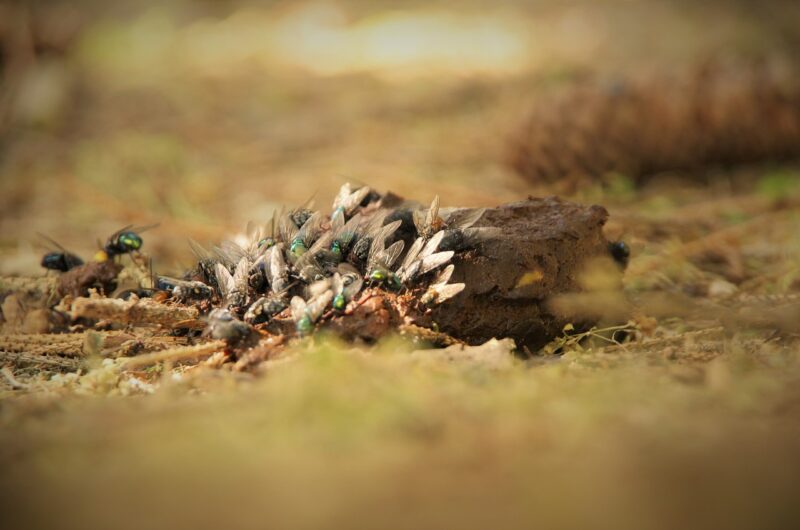
For many, the notion of collecting ancient animal droppings, known scientifically as coprolites, seems strange; however, the fascination surrounding these artifacts goes far beyond simple curiosity. As unusual as it sounds, coprolites provide invaluable insight into the ecosystems of prehistoric life, offering a glimpse into the diets and behaviors of long-extinct creatures. In this article, we explore why collectors are drawn to these ancient relics, the science behind them, and their significance in understanding our planet’s history.
1. Understanding Coprolites: What Are They?
Coprolites are essentially fossilized feces. Formed over millions of years through a combination of mineralization and environmental pressures, these specimens can provide evidence of what animals ate millions of years ago. While most fossils are derived from bones or plants, coprolites offer a unique perspective of past ecosystems, allowing scientists to reconstruct ancient food webs and interactions between species.
Typically found in sedimentary rock formations, coprolites come in various shapes, sizes, and compositions, depending on the species and their diet. They can range from small, pebble-like pellets to large masses, and their unique properties can often tell a story of their origin.
2. The Scientific Value of Coprolites
Coprolites are a goldmine for paleontologists and other scientists studying ancient life. Here are some insights into why they are so scientifically significant:
- Dietary Evidence: Coprolites can reveal the diets of ancient species. By analyzing the contents of coprolites, scientists can determine what animals ate, whether they were herbivores, carnivores, or omnivores, and even pinpoint specific plant or animal species consumed. This information helps reconstruct ancient ecosystems and food chains.
- Behavioral Insights: Beyond diet, coprolites can give hints about the behavior and habitat of the animals that produced them. For instance, the presence of plant material may indicate the type of environment the animal lived in, whether it was forested or open plains. Additionally, coprolites containing bones can suggest that the organism was a predator, offering clues about predation patterns.
- Paleoecological Context: Studying coprolites can provide insights into the interaction between organisms and their environments. The analysis of coprolites allows researchers to understand how species responded to changing climates and the shifting landscapes of their time.
These unique benefits position coprolites as valuable tools for understanding the evolutionary history of life on Earth.
3. Why Are Collectors Drawn to Coprolites?
While ancient animal droppings may not seem glamorous, a dedicated community of collectors is passionate about coprolites. Here are several reasons why:
- Unique Collectibles: Each coprolite is unique, telling its own story and providing a tangible connection to the past. Focusing on coprolites allows collectors to own a piece of ancient history that is profoundly different from the usual fossils like dinosaur bones or plants.
- Educational Value: Coprolite collections serve as educational tools for collectors and the public. They spark interest in paleontology and the natural sciences, inspiring discussions about evolution, ecosystems, and prehistoric life. Collectors often display their coprolite specimens, providing learning opportunities for visitors.
- Intriguing Aesthetics: Many coprolites have fascinating textures and appearances. Some resemble works of art, and collectors appreciate the aesthetic appeal of their pieces. The diverse forms and colors can be intriguing, much like other unique natural specimens.
- Connection to Nature: For many collectors, coprolites offer a deeper connection to nature and the history of life on Earth. Owning and studying coprolites allows them to reflect on ancient life and ecosystems, often sparking a greater interest in environmental conservation and paleontological research.
In essence, coprolite collecting can be a fulfilling and educational hobby that aligns with a passion for history and science.
4. How to Collect and Care for Coprolites
If you’re contemplating starting a coprolite collection, here are a few tips to help you on your journey:
- Finding Coprolites: While many coprolites are commercially available from rock shops and fossil dealers, you can also search for them yourself. Some locations, particularly in the western United States, are known for coprolite finds. Always check local regulations on fossil collecting before you start digging.
- Researching Your Finds: Once you have your coprolite, researching its origin and characteristics can significantly enhance your collection. This may involve seeking out resources or connecting with online fossil communities to gain insights from experienced collectors and paleontologists.
- Care and Preservation: To preserve coprolites and maintain their appearances, keep them in a stable environment, away from extreme temperatures and humidity fluctuations. Clean them with gentle brushes and avoid chemicals that could damage the specimen.
Also, store them safely, preferably in display cases, to prevent damage from accidental impact or exposure to light. Wrapping them in soft cloth or bubble wrap can also offer protection during transport.
With proper care and attention, your coprolite collection can be a source of knowledge and beauty for years to come.
5. The Future of Coprolite Collecting
As our understanding of paleontology evolves, the future of coprolite collecting looks promising. Technological advancements in imaging and analysis are increasing the knowledge we gain from these ancient artifacts. Enhanced scanning techniques are allowing for non-destructive examination of coprolites, opening up new avenues for research and understanding.
Moreover, as public interest in paleontology grows, we can expect to see increased accessibility to educational resources and community events focused on fossil-captivating audiences of all ages. Collecting coprolites can foster deeper appreciation and concern for the world around us and the ancient ecosystems that once thrived on our planet.
Conclusion
The world of coprolite collecting may seem niche, but it opens doors to understanding ancient life and environmental interactions in remarkable ways. From scientific significance to the joy of ownership, collectors of these unique fossils find value in their oddity and allure. As we continue to shine light on the past, the ancient droppings of animals that once roamed the Earth will always possess a story waiting to be told.
In conclusion, whether you are a seasoned fossil collector or just someone intrigued by the natural world, exploring coprolites can offer a unique experience. They highlight the mysteries of nature and the fascinating history that shapes our planet today.