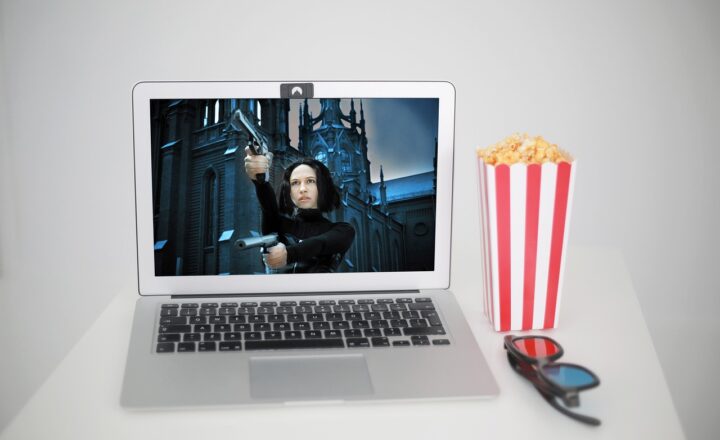
The Rise of ‘Watch Parties’: How Livestreaming Has Changed the Way We Consume Content

Jack Avery
November 14, 2024

In recent years, the landscape of content consumption has transformed dramatically, thanks in large part to the rise of livestreaming and digital interactions. One phenomenon that has gained substantial traction in this realm is the concept of ‘watch parties.’ Watching films, series, or events together, albeit in separate locations, has become a unique way to enhance the viewing experience. This article delves deep into the rise of watch parties, exploring their origins, evolution, and what the future holds as they continue to reshape the way we engage with content.
1. The Origins of Watch Parties
The concept of social viewing is not entirely new, as people have always gathered to enjoy media together, whether in cinemas or at home. However, the introduction of modern technologies has transformed this idea into a virtual experience. Early livestreaming free trials by platforms like Twitch and YouTube brought people together for interactive viewing in a shared digital space.
A watch party allows viewers to synchronize their screens, often aided by a chat interface, where participants can communicate in real-time as they watch content. Platforms like Netflix Party (now Teleparty), Scener, and Kast emerged as tools that facilitated this way of watching, allowing users to connect and engage with friends and loved ones regardless of geographical barriers.
2. The Mechanics of Watch Parties
Watch parties operate on several fundamental mechanics, primarily revolving around synchronization and interaction:
- Synchronization: In a watch party, everyone involved watches the same content at the same time. This is achieved through browser extensions or dedicated apps that align the playback between users, creating a cohesive viewing experience.
- Chat Features: A significant aspect of watch parties is the chat functionality, which can be both text-based and audio. During the viewing, participants can express their thoughts, reactions, and even share fun commentary, much like they would during a movie night in person.
- Curated Experiences: Many users organize watch parties around specific themes or content types, from horror film marathons to binge-watching series finales, creating tailored experiences that meet audience preferences.
These features contribute to a more engaging and communal atmosphere, enhancing solitary viewing into a shared, social event.
3. The Impact of COVID-19
The global pandemic accelerated the popularity of watch parties, as traditional social interactions were restricted. As many found themselves confined at home, watch parties crept into the mainstream, providing a way to connect with others during times of isolation. Platforms like Netflix Party reached unprecedented levels of engagement, with millions turning to virtual movie nights as a source of connection and entertainment.
This surge caused platforms to evolve by enhancing their features, offering new functionalities like video conferencing integration and interactive features, bridging the gap between physical and digital interactions. Brands and influencers seized this opportunity, organizing public watch parties for premieres, events, and celebrations.
4. User Experiences and Dynamics
One of the most compelling aspects of watch parties is the varied experiences they provide. Participants often report an enriched emotional connection to the content when shared with others, heightened by the laughter, gasps, and comments exchanged during those moments.
Consider the case of a watch party for a romantic film. As characters embark on heartfelt journeys, users share their favorite quotes or relatable anecdotes, enhancing their investment in the storyline. The instant feedback from friends can amplify joyful moments or provide comfort during tense scenes.
Moreover, these platforms have fostered new communities, bringing together individuals with shared interests. Many also invite strangers to join in on their viewing experiences, striking up conversations in chat rooms that can lead to meaningful connections, friendship, and even new fandoms.
5. Challenges and Considerations
While the potential for watch parties is vast, several challenges accompany this form of content consumption:
- Technical Issues: Technical glitches, such as lagging streams or dropped connections, can disrupt the viewing experience and may lead to frustration among users.
- Content Availability: Not all streaming platforms support synchronized viewing, and geographic restrictions can hinder participation for some individuals wishing to join a watch party.
- Noise Control: Unlike a standard cinema where participants remain silent, chat dynamics can lead to distractions. Finding a balance between commentary and content appreciation is essential for enjoyment.
Addressing these issues requires both technical improvements from platforms and an understanding of social etiquette among users.
6. The Future of Watch Parties
As technology continues to evolve, watch parties are likely to undergo further transformation. New developments may include:
- Enhanced Interactivity: Future iterations of watch party platforms could offer interactive features like polls, trivia, and integrated viewing options, allowing users to engage with the content actively.
- Expanded Platforms: More streaming services may integrate watch party features directly into their interfaces, enhancing accessibility and user experience. Major platforms like Amazon, Hulu, and Disney+ are already exploring similar concepts.
- Hybrid Models: Due to the growing acceptance of both virtual and in-person gatherings, watch parties may evolve into hybrid models that offer both in-person and online participation, expanding reach and inclusivity.
This evolution will pave the way for a more interconnected entertainment experience, enhancing how individuals consume and interact with digital content.
Conclusion
The rise of watch parties signals a profound transformation in the world of content consumption. By merging technology with social interaction, livestreaming has redefined how viewers engage with films, shows, and events. As we look forward, the potential for further innovation is boundless, suggesting that these communal experiences are only beginning to scratch the surface of what is possible in digital entertainment.
While traditional viewing will always have its place, the inclusive and interactive nature of watch parties shines brightly, promising to keep audiences connected in a world that thrives on shared experiences, whether they are across the street or across the globe.