The Tragic Consequences of Ocean Acidification on Marine Ecosystems

Lucas Grant
November 14, 2024
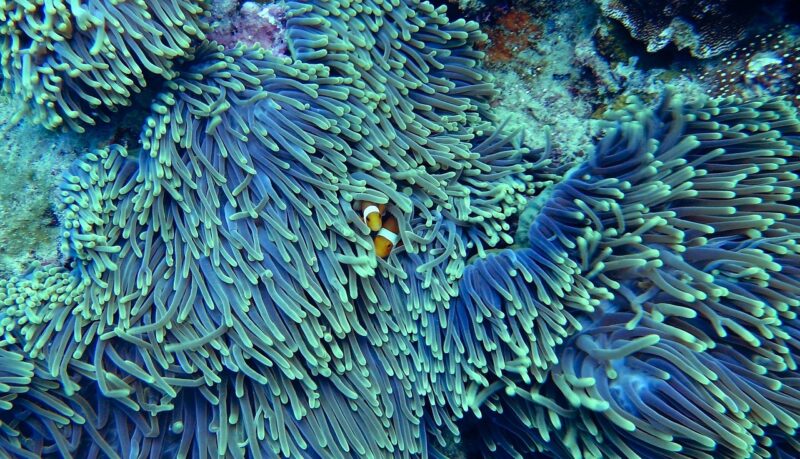
Ocean acidification is one of the most pressing environmental challenges of our time, yet it remains largely invisible to those outside scientific communities. The oceans, which cover over 70% of our planet, play a critical role in regulating the Earth’s climate and supporting varied ecosystems. However, as human activities continue to release carbon dioxide (CO₂) into the atmosphere, a significant portion of this CO₂ is absorbed by the oceans, leading to a series of detrimental changes that pose catastrophic risks to marine life.
Understanding Ocean Acidification
Ocean acidification refers to the process by which the pH level of seawater decreases due to the absorption of increased atmospheric CO₂. Since the Industrial Revolution, the oceans have absorbed nearly a third of the CO₂ emitted from fossil fuel combustion and other human activities. This results in chemical reactions that form carbonic acid, subsequently lowering the pH of seawater.
The current average pH of ocean water is about 8.1; however, models predict it could drop to as low as 7.8 by the end of this century if current trends continue. This slight change in pH may seem insignificant, but it has far-reaching implications for marine organisms.
The Impact on Marine Life
#
1. Coral Reefs
Coral reefs, often referred to as the “rainforests of the sea,” are among the most vulnerable ecosystems to ocean acidification. They rely on a process called calcification, whereby corals extract calcium carbonate from the seawater to build their limestone structures. As acidification progresses, the availability of carbonate ions diminishes, making it increasingly difficult for corals to maintain their skeletons. In fact, studies indicate that coral calcification rates have already decreased by as much as 40% in some regions.
Coral reefs not only provide habitat and shelter for countless marine species but also serve as natural barriers protecting coastlines. The loss of these ecosystems can lead to diminished biodiversity and increased coastal vulnerability to storms and erosion.
#
2. Shellfish and Crustaceans
The impact of ocean acidification is most pronounced in organisms that rely on calcium carbonate to form their shells and skeletons, including mollusks like clams, oysters, and snails, as well as crustaceans such as crabs and lobsters. Research shows that increased acidity can lead to thinner shells, reduced growth rates, and even higher mortality rates for young shellfish.
For example, oyster larvae have been shown to struggle to develop properly in acidic conditions, directly affecting oyster populations and the fisheries that depend on them. This has significant consequences not only for marine biodiversity but also for coastal economies that rely heavily on shellfish aquaculture.
#
3. Fish Populations
Fish are also affected by ocean acidification, albeit indirectly. Many species rely on sensory cues to navigate, find food, and avoid predators. Research suggests that increased CO₂ levels can impair fish’s ability to detect predators, which could lead to increased mortality rates. Additionally, the loss of foundational species like corals and shellfish upsets the entire marine food web, leading to decreased fish populations and altered predator-prey dynamics.
Moreover, economically valuable fish, such as cod and haddock, are at risk, threatening both marine biodiversity and fishing industries worldwide.
Consequent Effects on Human Societies
The repercussions of ocean acidification extend beyond environmental concerns; they also threaten human communities that depend on healthy marine ecosystems for their livelihoods. Here are some cascading effects that might arise:
1. Economic Impacts:
The fishing and aquaculture industries contribute hundreds of billions of dollars to the global economy. As marine species decline, those who depend on these resources face economic instability, loss of jobs, and diminished food security, especially in coastal communities.
2. Food Security:
Food insecurity could rise as fish stocks decline due to disrupted ecosystems. A significant portion of the global population relies on seafood as a primary protein source. As fish become scarcer, prices could escalate, making it harder for vulnerable communities to access essential nutrients.
3. Tourism:
Tourism in coastal regions, especially in locations renowned for scuba diving and snorkeling, may suffer as coral reefs and marine biodiversity diminish. The decline in ecosystem health can lead to less attractive environments, reducing the appeal for tourism.
Mitigation Strategies
Addressing ocean acidification requires a multifaceted approach aimed at reducing carbon emissions and protecting marine ecosystems. Here are some strategies to consider:
1. Reducing Carbon Emissions:
The primary driver of ocean acidification is the rise in atmospheric CO₂. Therefore, strategies to reduce greenhouse gas emissions are paramount. Transitioning to renewable energy sources, improving energy efficiency, and enhancing carbon capture technology are essential steps toward addressing climate change and protecting oceans.
2. Marine Protected Areas:
Establishing marine protected areas (MPAs) can aid resilience by safeguarding critical habitats like coral reefs and enhancing biodiversity. Healthy ecosystems are better equipped to adapt to stressors such as acidification.
3. Research and Monitoring:
Continued research into the effects of ocean acidification and potential mitigation strategies is vital. Educational initiatives can also raise awareness about the issue, promoting community involvement in conservation efforts.
Conclusion
Ocean acidification represents a dire threat to marine ecosystems and human societies. By affecting the very foundation of marine life, it poses risks not only to biodiversity but also to economies and food security worldwide. Understanding the tragic consequences of ocean acidification is critical in mobilizing action to protect our oceans and ensure a sustainable future for generations to come.
It is crucial for policymakers, scientists, and individuals to come together in combating climate change to safeguard the health of our oceans and preserve the intricate web of life that thrives within them. Every effort counts in this collective battle against ocean acidification.