The Fascinating Ecosystems of Saltwater Marshes: A Unique Habitat for Wildlife

Ryan Pierce
November 14, 2024
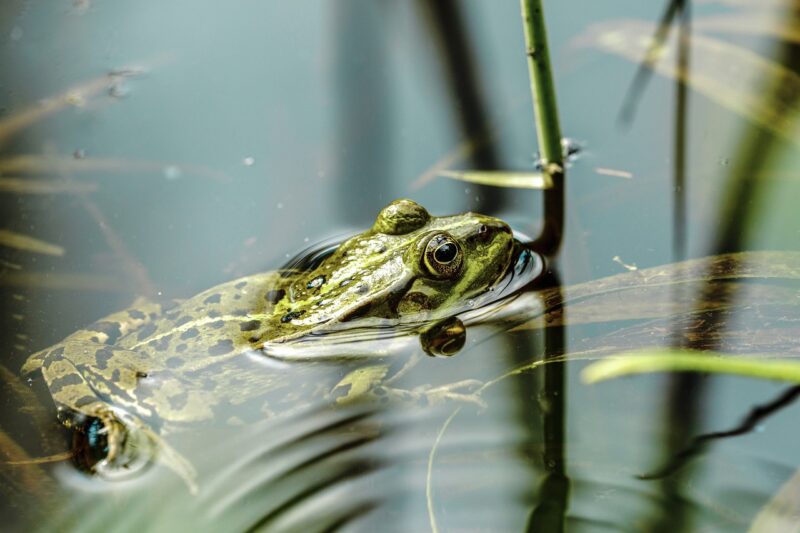
Saltwater marshes, often overlooked in discussions about ecosystems, play a crucial role in maintaining biodiversity and offering unique habitats for a myriad of wildlife. These vibrant ecosystems, characterized by their saline waters and rich plant life, display an intricate web of interactions that contribute to our planet’s health. In this comprehensive article, we will explore the unique characteristics of saltwater marshes, their ecological significance, and the various species that depend on them.
1. Understanding Saltwater Marshes
Saltwater marshes are coastal wetlands that are flooded and drained by saltwater brought in by the tides. These habitats are usually found in estuarine environments where river mouths meet the sea, creating brackish water conditions. They are dominated by salt-tolerant vegetation known as halophytes, which include grasses, sedges, and mangroves.
The physical structure of saltwater marshes differs from freshwater wetlands. They possess a distinct zonation pattern, varying from low marshes, which are regularly inundated by high tides, to high marshes, which are only flooded during storm events. This gradient of salinity and moisture creates diverse niches that support a variety of species.
2. Ecological Importance of Saltwater Marshes
Saltwater marshes serve several ecological functions that are critical for maintaining the environment:
- Biodiversity Hotspots: These ecosystems support diverse plant and animal species, providing essential habitats for migratory birds, fish, invertebrates, and mammals.
- Water Filtration: Saltwater marshes filter pollutants from runoff waters, improving the water quality that enters coastal and ocean environments.
- Coastal Protection: They act as natural buffers against storm surges and coastal erosion, absorbing wave energy and protecting inland areas from flooding.
- Carbon Sequestration: Saltwater marshes store carbon in their soils and vegetation, playing a significant role in mitigating climate change through carbon sequestration.
3. Flora of Saltwater Marshes
One of the defining features of saltwater marsh ecosystems is the unique plant life that thrives in saline conditions. Some of the most common species include:
- Spartina alterniflora (Smooth Cordgrass): Dominant in the low marsh, this grass is highly tolerant of salt and can handle the daily inundation of tides.
- Salicornia (Glasswort): Found in the high marsh, this succulent is adapted to waterlogged, saline conditions and provides critical food sources for various wildlife.
- Juncus spp. (Rushes): These hardy plants thrive in brackish conditions, providing habitat for invertebrates and nesting grounds for birds.
This unique plant composition is vital for stabilizing marsh soils and providing shelter and nourishment for wildlife.
4. Wildlife Adaptations in Saltwater Marshes
The wildlife in saltwater marshes exhibits distinct adaptations that allow for survival in a challenging environment:
- Birds: Various migratory birds such as herons, egrets, and plovers rely on saltwater marshes for feeding, nesting, and breeding. Their long legs and specialized beaks allow them to wade through water and hunt for fish and invertebrates.
- Fish: Species like mullet and menhaden utilize saltwater marshes as breeding grounds and nurseries due to the abundant food sources and protective cover offered by the vegetation.
- Invertebrates: Marshes host a variety of invertebrates, including crabs and shrimp, which are crucial links in the food chain, serving as prey for larger animals.
These adaptations highlight the interconnectedness of species within saltwater marsh ecosystems, where each plays a vital role in maintaining balance and harmony.
5. Threats to Saltwater Marshes
Despite their ecological importance, saltwater marshes face numerous threats:
- Climate Change: Rising sea levels and changing temperatures threaten to inundate these precious ecosystems, leading to loss of habitat and altered salinity.
- Pollution: Runoff from agricultural and urban areas introduces harmful chemicals and pollutants that can compromise the health of marshes and their inhabitants.
- Development Pressure: Coastal development, including construction and land reclamation, often leads to the destruction of marsh habitats, severely impacting the biodiversity that relies on these ecosystems.
Addressing these challenges is essential to preserve the delicate balance of saltwater marshes and the wildlife they support.
6. Conservation Efforts
Several organizations and initiatives work tirelessly to conserve and restore saltwater marshes:
- Wetlands Conservation Projects: Various conservation groups carry out restoration activities, such as planting native vegetation and removing invasive species to improve the health and connectivity of marsh habitats.
- Public Awareness Campaigns: Educating communities about the importance of saltwater marshes and engaging them in conservation efforts helps foster a sense of stewardship and responsibility toward these ecosystems.
- Regulatory Protections: Governments implement policies and regulations to safeguard marshlands, limiting harmful activities and promoting sustainable practices.
These combined efforts are crucial for maintaining the integral role of saltwater marshes in our environment.
Conclusion
Saltwater marshes are not just beautiful landscapes; they are dynamic ecosystems that support a rich diversity of life. Understanding their ecological significance, the unique adaptations of their inhabitants, and the threats they face is essential for fostering appreciation and initiating conservation actions. As we confront climate change and environmental degradation, it is more important than ever to recognize the critical role saltwater marshes play and to protect them for future generations. By valuing and preserving these ecosystems, we can ensure that the diverse wildlife that relies on them continues to thrive.