A Guide to Winterizing Your Home: Tips to Save Energy and Money

Lily Harper
October 26, 2024
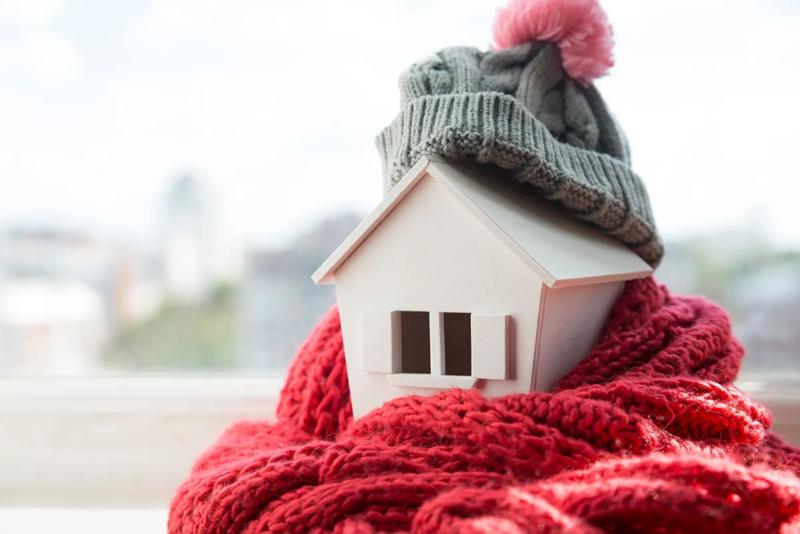
As winter approaches, preparing your home for the colder months is essential for maintaining comfort, reducing energy consumption, and saving money. Winterizing your home involves making adjustments and upgrades that improve insulation, seal leaks, and ensure your heating system operates efficiently. In this guide, we’ll cover key steps to winterize your home and keep it cozy while keeping energy costs down.
1. Insulate Your Windows
Windows are a primary source of heat loss, especially in older homes. By properly insulating them, you can retain warmth and reduce energy bills.
- Weatherstripping: Add weatherstripping around window frames to seal gaps.
- Window Film: Apply plastic film to windows to create an extra layer of insulation.
- Heavy Curtains: Use thick, insulated curtains to block drafts and trap heat.
2. Seal Gaps and Cracks
Drafts from gaps and cracks around doors, windows, and baseboards can let cold air in and warm air out. Sealing these areas can improve your home’s energy efficiency.
- Caulking: Use caulk to seal cracks around windows, doors, and other openings.
- Foam Sealant: Apply foam sealant to larger gaps and areas that are difficult to reach with caulk.
- Door Sweeps: Install door sweeps on exterior doors to prevent drafts at the bottom.
3. Insulate Your Attic
Heat rises, making the attic a significant point of heat loss if it’s not properly insulated. Adding insulation is a simple way to retain warmth and lower heating bills.
- Choose the Right Insulation: Use fiberglass or cellulose insulation with an R-value suited to your climate.
- Seal Attic Hatch: Insulate and weatherstrip the attic door or hatch to prevent warm air from escaping.
- Inspect for Gaps: Check for gaps around pipes, chimneys, and lights and seal them with caulk or foam.
4. Upgrade Your Heating System
An efficient heating system can make a big difference in your energy costs. Routine maintenance and upgrades help ensure it works optimally during the winter.
- Schedule a Tune-Up: Hire a professional to inspect and service your heating system before the cold sets in.
- Replace Filters: Change air filters every 1-3 months to improve airflow and efficiency.
- Consider a Programmable Thermostat: Set a programmable thermostat to adjust temperatures automatically, saving energy when you’re not home.
5. Add Insulation to Pipes
Uninsulated pipes can lead to heat loss and are at risk of freezing. Insulating pipes keeps water warmer for longer and helps prevent costly repairs due to burst pipes.
- Pipe Wrap: Use foam or rubber pipe insulation around exposed pipes, especially those in basements or garages.
- Heat Tape: In extreme cold areas, apply heat tape to pipes for added warmth.
- Focus on High-Risk Areas: Pay special attention to pipes near exterior walls and unheated spaces.
6. Install Storm Doors and Windows
Storm doors and windows add an extra layer of protection against cold weather, creating an insulating barrier that keeps warmth inside.
- Energy Savings: Storm doors and windows help reduce heat loss and can significantly lower heating costs.
- Reduced Condensation: They minimize drafts and reduce condensation on primary windows.
- Enhanced Durability: Adds protection for primary doors and windows, extending their lifespan.
7. Reverse Ceiling Fans
Many ceiling fans have a reverse switch to change the blade rotation direction. Setting fans to spin clockwise at a low speed pushes warm air down.
- Winter Mode: Reverse the fan to spin clockwise, drawing cool air up and pushing warm air down.
- Lower Heating Costs: This simple adjustment reduces the need for extra heating.
- Improved Comfort: Helps evenly distribute warm air in rooms with high ceilings.
8. Wrap Your Water Heater
Insulating your water heater can prevent heat loss and reduce energy consumption, particularly if it’s located in a cooler area like a garage or basement.
- Insulation Blanket: Wrap the water heater with an insulation blanket for added warmth.
- Lower the Temperature: Set the thermostat to 120°F to save energy while maintaining hot water supply.
- Pipe Insulation: Insulate the first few feet of hot water pipes for extra efficiency.
9. Block Unused Chimneys
Unused chimneys can be a significant source of drafts, so it’s wise to block them off during the winter.
- Chimney Balloon: Insert a chimney balloon to prevent drafts and heat loss.
- Close the Damper: Always close the damper when the fireplace is not in use.
- Check for Leaks: Ensure there are no cracks around the chimney that allow cold air in.
10. Perform an Energy Audit
An energy audit evaluates your home’s efficiency, highlighting areas where you can save on heating costs.
- Professional Assessment: Hire an energy auditor for a comprehensive analysis.
- DIY Audit: Use tools like thermal cameras to find leaks and cold spots yourself.
- Action Plan: Based on the audit, prioritize upgrades to improve energy efficiency.
Conclusion
Winterizing your home is a worthwhile investment that keeps your home comfortable, reduces energy consumption, and saves money. From insulating windows to upgrading your heating system, these steps will prepare your home for the colder months, ensuring warmth and energy savings all season long. By implementing these winterizing tips, you can enjoy a cozy home without breaking the bank.