The Rise of Affordable Electric Vehicles: Are EVs Finally Becoming Mainstream?

Explorix Team
October 25, 2024
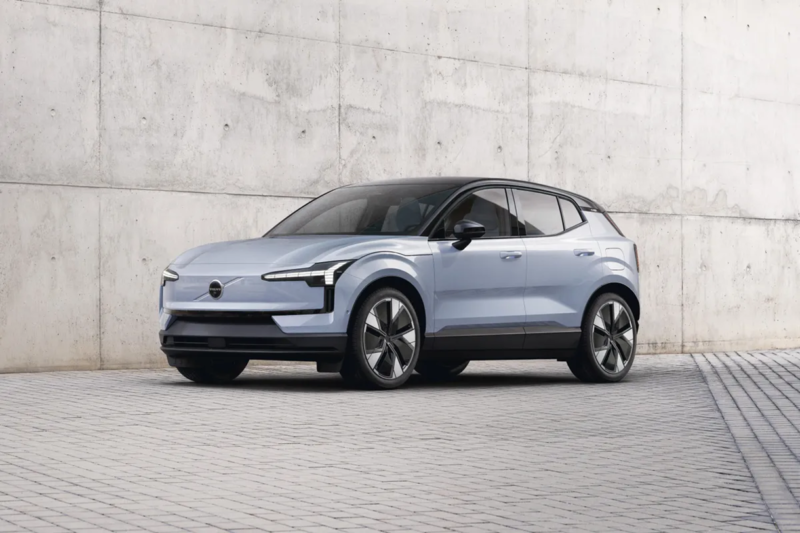
Electric vehicles (EVs) have long been considered a luxury for eco-conscious drivers with deep pockets, but the landscape is rapidly changing. With advancements in battery technology, increased production, and growing competition, affordable electric vehicles are now entering the market, making EVs more accessible to the average consumer. As governments push for greener transportation and automakers expand their electric lineups, the question arises: Are EVs finally becoming mainstream?
In this article, we’ll explore the factors driving the rise of affordable electric vehicles, the models leading the charge, and whether we’re on the cusp of a widespread EV revolution.
1. The Shift Toward Affordable EVs
In the early days of electric vehicles, high costs were one of the main barriers to widespread adoption. EVs were often priced much higher than their gasoline counterparts due to expensive battery technology and limited production volumes. However, recent advancements in battery technology and economies of scale have helped drive down the cost of EV production.
Key factors contributing to more affordable EVs:
- Advances in Battery Technology: Lithium-ion batteries, which power most EVs, have become more efficient and cheaper to produce. This has led to lower vehicle costs and extended driving ranges.
- Increased Competition: With more automakers entering the EV market, competition is driving down prices. Traditional car manufacturers like Ford, Nissan, and Volkswagen are offering lower-cost electric models, while new players like Rivian and Lucid are challenging the market with innovative solutions.
- Government Incentives: Many governments around the world are offering incentives, rebates, and tax credits to encourage the adoption of EVs. These programs help make electric cars more affordable for consumers, especially in regions where EV infrastructure is still growing.
- Economies of Scale: As automakers ramp up production, the cost per vehicle decreases. Companies like Tesla have pioneered mass EV production, and as other automakers follow suit, the overall cost of electric vehicles is expected to continue declining.
These developments have made it possible for more consumers to consider electric vehicles as a practical and affordable option for their daily transportation needs.
2. Affordable Electric Vehicles on the Market
As the demand for electric vehicles grows, several manufacturers have introduced affordable models that offer a balance of price, performance, and range. These vehicles are helping to democratize electric mobility and make EV ownership more attainable for a wider audience.
Top affordable electric vehicles:
- Nissan Leaf: The Nissan Leaf is one of the most affordable electric vehicles on the market, with a starting price under $30,000. The Leaf offers a range of up to 226 miles, making it a popular choice for budget-conscious drivers.
- Chevrolet Bolt EV: The Chevy Bolt EV is another competitively priced option, with a starting price around $27,000. The Bolt offers a range of 259 miles on a single charge, making it one of the best values in the EV market.
- Hyundai Kona Electric: The Hyundai Kona Electric starts at around $33,000 and offers a range of 258 miles. With its affordable price and solid range, the Kona is a strong contender in the affordable EV segment.
- Tesla Model 3: Although priced slightly higher, the Tesla Model 3 is often considered an affordable entry into Tesla’s lineup. Starting at just over $40,000, the Model 3 offers a range of up to 358 miles, along with Tesla’s industry-leading technology and performance.
- Ford Mustang Mach-E (Select Trim): Ford’s Mustang Mach-E, particularly in its lower trims, is becoming a competitive option in the affordable EV category. With prices starting around $43,000 and a range of 247 miles, the Mach-E combines performance and affordability.
These models represent a growing list of affordable electric vehicles that cater to a broader range of drivers, helping to bridge the gap between luxury EVs and mass-market gasoline-powered cars.
3. The Role of Government Policies and Incentives
Government policies and incentives have played a crucial role in making electric vehicles more affordable and accelerating their adoption. Many countries are setting ambitious targets for reducing carbon emissions and transitioning to zero-emission vehicles, and these policies are helping to make EVs more accessible to the average consumer.
Key government initiatives supporting affordable EVs:
- EV Purchase Incentives: Countries like the United States, Canada, and many European nations offer rebates and tax credits to consumers who purchase electric vehicles. In the U.S., buyers can receive a federal tax credit of up to $7,500, depending on the vehicle’s battery capacity and manufacturer.
- Zero-Emission Vehicle (ZEV) Mandates: Several states and countries have implemented ZEV mandates, which require automakers to sell a certain percentage of zero-emission vehicles. This encourages manufacturers to produce more affordable EV models to meet the demand.
- Fuel Efficiency Standards: Governments are imposing stricter fuel efficiency standards, which push automakers to develop cleaner and more efficient vehicles, including EVs. In turn, automakers are investing in affordable electric models to meet these standards.
- Charging Infrastructure Investments: To support the growing number of EVs on the road, governments are investing in expanding charging infrastructure. This helps alleviate range anxiety and encourages more consumers to consider purchasing electric vehicles.
These policies are helping to lower the upfront cost of EV ownership and build the infrastructure necessary for widespread adoption.
4. Overcoming the Barriers to EV Adoption
While the rise of affordable electric vehicles is making EVs more accessible, several barriers still prevent widespread adoption. Overcoming these challenges will be key to making electric vehicles a mainstream choice for consumers around the world.
Common barriers to EV adoption:
- Range Anxiety: Although EV ranges have improved significantly, some drivers are still concerned about running out of battery power during longer trips. Continued improvements in battery technology and charging infrastructure will be essential to overcoming range anxiety.
- Charging Infrastructure: While charging infrastructure is expanding, there are still gaps, particularly in rural areas. Increasing the number of fast-charging stations and improving access in underserved regions will be important for boosting consumer confidence in EVs.
- Upfront Costs: Despite the growing availability of affordable EVs, the initial purchase price can still be higher than that of comparable gasoline-powered cars. However, lower operating costs, including reduced fuel and maintenance expenses, help offset the higher upfront costs over time.
- Battery Degradation and Recycling: Consumers are concerned about the long-term lifespan of EV batteries and the environmental impact of battery disposal. Advances in battery recycling and second-life applications are helping to address these concerns.
Addressing these barriers will be crucial for making electric vehicles a mainstream option for consumers worldwide.
5. The Future of Affordable Electric Vehicles
The future of affordable electric vehicles looks promising as automakers continue to innovate and expand their EV offerings. Several trends are expected to shape the next generation of affordable EVs, making them an even more attractive option for consumers.
Future trends in affordable EVs:
- Solid-State Batteries: Solid-state batteries, which are currently in development, promise to offer greater energy density, faster charging times, and lower costs than traditional lithium-ion batteries. These advancements could lead to more affordable EVs with longer ranges.
- Increased Production and Lower Costs: As EV production scales up, the cost of batteries and other components will continue to decrease, making electric vehicles more affordable. Mass production will also help automakers offer EVs at lower price points.
- Expansion of Charging Networks: The continued expansion of charging infrastructure, including ultra-fast chargers, will make owning an EV more convenient, reducing range anxiety and encouraging more consumers to make the switch.
- Autonomous Electric Vehicles: As autonomous driving technology advances, we may see the rise of affordable autonomous electric vehicles. These vehicles could offer new mobility options, particularly for ride-sharing and transportation services.
With these developments, affordable electric vehicles are expected to become even more mainstream, offering a practical and sustainable alternative to traditional gasoline-powered cars.
Conclusion: Are EVs Finally Becoming Mainstream?
The rise of affordable electric vehicles is a significant step toward making EVs a mainstream choice for consumers. With lower prices, improved battery technology, and expanding charging infrastructure, more drivers are now considering EVs as a viable option for their daily transportation needs. While challenges such as range anxiety and upfront costs remain, the future of electric mobility looks bright, and we’re likely on the verge of a major shift toward widespread EV adoption.
As automakers continue to innovate and governments push for greener transportation options, electric vehicles are poised to become a common sight on roads around the world, marking a new era in the evolution of the automotive industry.